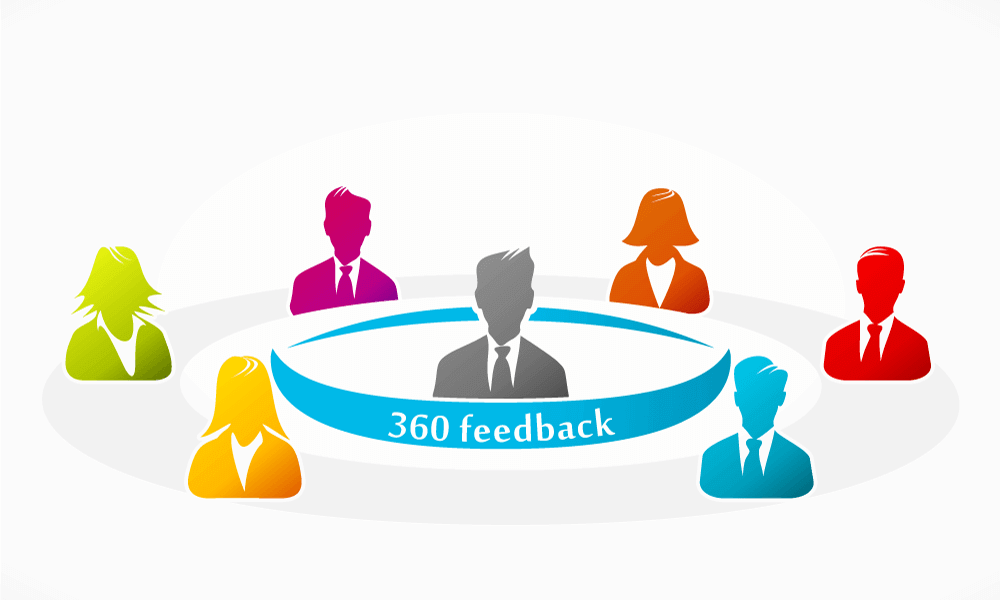
Once upon a time, managers were told that the secret to career success was to do what the boss said and manage their staff well. Today, it’s a lot more nuanced than that.
The simple fact is that everyone, whether they carry the title and responsibilities of a manager or not, needs to manage all the key relationships in their workplace (up, down, sideways and beyond), if they want to succeed.
How we are perceived by others can significantly influence our careers, relationships and overall effectiveness within an organisation. This blog takes a closer look at why managing perceptions is essential and how, for an organisation, a high quality 360˚ programme can accelerate the process of getting everyone on the same page, improving teamwork, performance and the bottom line.
Why manage perceptions?
- Impact on Reputation
Our reputation can open doors or close them. In the workplace, a positive perception can enhance credibility and instil trust among colleagues and superiors. But negative perceptions can hinder collaboration and throw up barriers. By actively managing how we present ourselves—through communication, behaviour, and professional interactions—we can shape a reputation that aligns with what we want to achieve in life.
- Influence on Leadership Effectiveness
For leaders, perceptions can significantly impact their ability to inspire and motivate teams. A leader viewed as approachable and supportive is likely to foster a more engaged and productive team. By contrast, a leader perceived as distant or authoritarian may struggle to build rapport. Effective leaders need to foster good relations with everyone around them – their manager(s), peers, direct reports and other collaborators (and people of influence) in the business.
- Enhancing Communication
Managing perceptions also requires clear and transparent communication. When individuals communicate effectively, they minimise misunderstandings and shape how their messages are received. This clarity helps ensure that others hear what you meant, as well as what you said. It reduces the likelihood of negative perceptions and fosters a more collaborative work environment.
- Navigating Change and Feedback
During times of change, how leaders and employees are perceived can greatly affect how well change is implemented. If a leader is seen as trustworthy and capable, their team is more likely to embrace changes positively. Seeking, and responding to, feedback can demonstrate a commitment to improvement, which can enhance perceptions of openness and adaptability.
- Building Relationships
Working effectively involves building strong relationships based on trust and mutual respect. However, relationships are often influenced by perceptions. By being mindful of how we are perceived, we can better navigate workplace dynamics and cultivate stronger in-work relationships. This awareness allows us to engage with colleagues in ways that significantly improve collaboration and teamwork.
- Professional Growth and Opportunities
Managing perceptions can also impact career advancement. Professionals who are perceived as competent, reliable, and proactive are more likely to be considered for promotions and leadership roles. By taking steps to actively manage their image—such as seeking visibility in projects, demonstrating expertise and networking effectively—individuals can position themselves favourably for future opportunities.
- Cultural Sensitivity and Inclusivity
In diverse workplaces, perceptions can be influenced by cultural backgrounds and experiences. Being aware of these dynamics and managing perceptions can foster inclusivity. By understanding and respecting different viewpoints, individuals can create an environment where all team members feel valued and understood, delivering greater collaboration and performance to the organisation.
The Benefits of a 360˚ feedback programme
Many of us are guilty of trying to work with what we think are other peoples’ perceptions (or worse, thinking we already know). But if we suffer from rampant Imposter Syndrome, or the arrogance of believing we’re perfect, is it likely our thoughts will be right (or even close)?
How many times, when we actually talk to them, do we discover that people view us quite differently from the way we thought they did?
But asking people what they think of us, face to face, can be uncomfortable for both parties You may not feel like asking. They may not feel like giving you a ‘warts and all’ view for fear of sparking confrontation. It’s particularly difficult for people who are junior to you.
That’s where an effective 360˚ feedback programme comes in. It’s designed to allow the people around you to feed back to you and, for most respondents, it’s anonymised so they can be honest and constructive – a real boon for direct reports. When respondents are invited to give open feedback to a Great People Inside 360˚, we ask them to identify what the subject of the 360˚ should Keep, Stop, Start Doing. For us, and most of our candidates, it’s the most valuable part of every report we read.
But, as an organisation, what other benefits can you expect to see from a 360˚ Programme?
- Holistic Perspective
One of the primary advantages of 360˚ feedback is, as the name suggests, the all-round view it provides. Traditional performance reviews usually rely on the perspective of the individual’s manager, which can be limited and, sometimes, biased. In contrast, a 360˚ survey takes feedback from many stakeholders (typically Manager, Peers, Direct Reports, Collaborators) and compares them with the individual’s own views of themselves.
- Increased Self-Awareness
360˚ feedback encourages self-reflection. Employees receive insights from colleagues all around them (and even customers or external collaborators, where appropriate), allowing them to recognise blind spots in their behaviour and performance. Increased self-awareness is a crucial step towards personal and professional development, leading to more effective leadership and collaboration.
- Encouragement of a Feedback Culture
Implementing 360˚ feedback can help foster a culture of openness and continuous improvement. When feedback becomes the norm, employees are more likely to seek, and give, constructive criticism, creating a dynamic environment that values growth and development.
- Development Opportunities
As well as improving self-awareness for all participants, organisations can use the insights gained from 360˚ feedback to tailor professional development programmes and individual coaching programmes.
Most people don’t want others to think badly of them. But if they don’t receive feedback that helps them understand themselves, correcting the issues that false perceptions can create is almost impossible.
A 360˚ feedback programme is both cost-effective and objective and can kickstart an organisation to the next level. It provides a consistent framework to improve individual self-awareness and tailor development to every individual, focusing on what they REALLY need, alongside the goals of the organisation.